

How to Buy Property in Dubai from the Netherlands (in 2026)
Many Dutch residents today look outside Europe for stable property markets. Some look for better rental returns, some feel drawn to new cities, and others want to secure a home in a growing region. Du
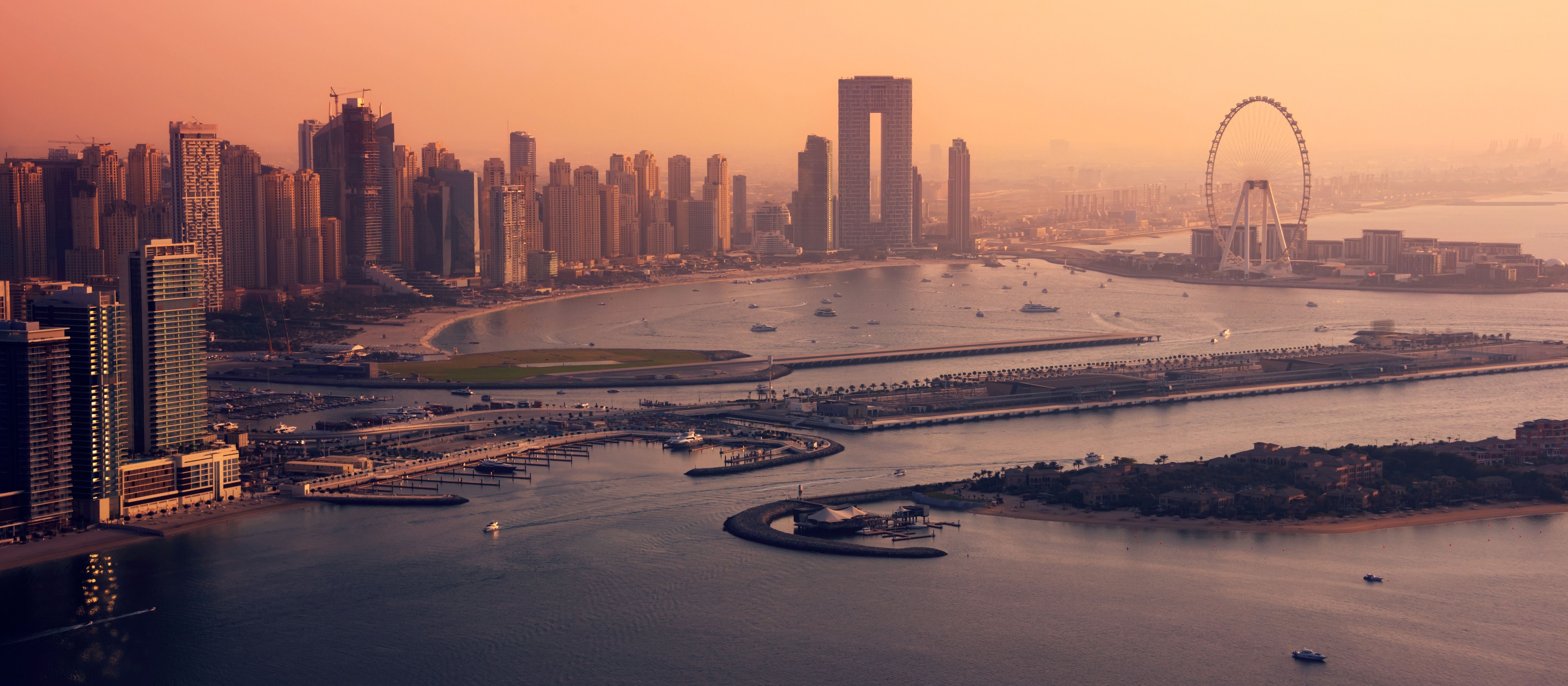
Many Dutch residents today look outside Europe for stable property markets. Some look for better rental returns, some feel drawn to new cities, and others want to secure a home in a growing region. Dubai often stands at the top of that list. A Dutch buyer usually has one thought at the start: how to buy property in Dubai as a Dutch citizen without confusion or long delays. This question appears simple, yet the steps feel different from buying in Europe. That is why a clear path helps. When people begin with correct guidance, the journey becomes smoother, and decisions fall into place. With steady transaction numbers and more organized processes now, Dubai property purchases for foreigners have become easier than before. In this guide, we break down every stage, from legal checks to practical steps, so any Dutch buyer who wants to buy property in Dubai from the Netherlands can move forward with clarity. Why Dutch Citizens Are Investing in Dubai Real Estate Dutch investors look at Dubai due to steady growth, simple buying systems, and wider choice in freehold zones. Western Europe sends a steady stream of visitors and investors, and interest continues to rise. Western Europe counts among Dubai’s top source markets. In 2024, around twenty percent of all international visitors to Dubai came from this region, equal to roughly 3.74 million visitors. This steady flow builds awareness and drives more interest from Dutch residents. Growing Preference for Global Property Options Dutch buyers often reach a stage where they want holdings outside the EU. UAE real estate functions with a clear structure. Regulations remain open for non-residents, and ownership stays direct in approved zones. The city continues to develop new districts, which creates steady long-term options for buyers. Stable Ownership and Clear Paperwork People appreciate how the process stays structured. Buyers feel comfortable when contracts stay clear and transfer steps remain fully documented. When systems follow a routine, confidence builds faster. Attractive Returns for Long-Term Investors Some Dutch residents look for higher rental returns compared to certain EU cities. Dubai offers a wide set of freehold areas where rental activity stays steady across the year. This forms a strong reason for many Dutch families to enter the market. Can Dutch Citizens Legally Own Property in Dubai? A Dutch resident planning to buy property in Dubai from the Netherlands often asks this at the start. The short answer is yes. Dubai allows foreigners to own freehold units in designated zones. Ownership stays direct, and buyers get full rights over sale, leasing, and inheritance, depending on local rules. This structure makes Dubai property purchases for foreigners simple at its core. Freehold vs Leasehold Areas Freehold areas stay open for non-UAE nationals. Locations such as Dubai Marina , Downtown Dubai, Palm Jumeirah , and several newer districts fall under these zones. A Dutch buyer can choose an apartment, villa, townhouse, or land in these areas. The title stays under the buyer’s name. Leasehold zones follow long-term leases. Some older districts still fall under leasehold systems. Buyers get rights for a set number of years. For most Dutch residents, freehold remains the preferred route. Eligibility and Restrictions A Dutch citizen does not need residency in the UAE to own property. No minimum income rule applies for Dutch citizens buying in Dubai. Buyers must still follow clear steps and keep documents in order. The process becomes easier when each stage stays organized. The points below explain what people should keep ready when they review Dubai property laws for foreign buyers: Valid passport copy with clear details Correct buyer information on all forms Payment proofs for each stage Signed agreements kept in one folder All documents submitted through authorized channels Records of communication with the agent or developer When paperwork stays neat and complete, the transfer finishes without delays. Step-by-Step Process to Buy Property in Dubai from the Netherlands Dutch buyers must know that Dubai’s property market reached strong numbers recently. By October 2026, total property sales reached AED 559.4 billion, equal to around USD 152 billion. These numbers show ongoing activity in the market, which encourages foreign buyers to explore long-term opportunities. Below are the steps organized to help anyone who wants to understand the steps to buy property in Dubai while sitting in the Netherlands. Understanding Your Purpose A Dutch resident buying abroad should begin with purpose. Decide whether the unit is for rental, long-term stay, or capital growth. Each goal affects property type, district, and risk approach. A goal-based plan helps avoid confusion later. Rental purpose → choose areas with steady tenant demand Holiday use → choose areas with easy access Long-term hold → choose developing districts Choosing the Right Freehold Area Research freehold zones that match your budget. Dubai has many planned communities. For people who want easy access, Marina or Downtown remain strong. For those who like quieter districts, newer communities offer good options. This step also helps bring secondary keywords such as "Dubai freehold property for foreigners" into context. Shortlisting Developers and Units Review developer track records. Look at their delivery history. Compare plans, layouts, and service charges. Make sure the project has clear paperwork and stays listed with the Dubai Land Department . Understanding the Legal Paperwork Contracts must follow structure. Review sale agreements. Check payment plans for off-plan units. Ensure escrow accounts exist for new developments. When you follow these checks, the process becomes clear. Confirming the Budget and Payment Plan Every Dutch buyer must decide on a clear budget early in the process. Dubai markets offer entry-level units alongside premium apartments and villas. Buyers should map out funds, down payment size, and any installments. A structured plan helps remove confusion. When people begin with correct numbers, the path onward stays organized. For off-plan units, payment plans are spread across construction milestones. Ready units demand full payment at transfer. Many Dutch buyers choose bank transfers from the Netherlands to Dubai, as this method keeps records structured. Reserving the Property Once a Dutch buyer selects a unit, the reservation comes next. A booking form locks the chosen property for a short time while paperwork starts. Buyers should always request clear receipts. Reservation fees stay non-refundable in many projects, so the choice must stay firm before paying. Signing the SPA (Sales and Purchase Agreement) The SPA acts as the core contract. It includes the price, unit details, payment schedule, handover date, and obligations on both sides. Dutch buyers must read the entire document before signing. If questions appear, clarify them early. No step should stay unclear. This helps avoid long issues later. Registering the Ownership Transfer Once final payment is ready, the transfer takes place at an approved registration trustee office. Documents include passport copies, SPA, payment proofs, and final clearance forms. The buyer then receives the digital title deed. For many Dutch citizens learning how to buy property in Dubai as a Dutch citizen, this stage feels simple because the city uses clear procedures. Financing and Mortgages for Dutch Buyers Dutch residents often explore loans when they plan to buy property in Dubai from the Netherlands, especially for higher-value units. Financing stays available for foreigners but follows specific checks. Can Dutch Citizens Get a Mortgage in Dubai? Yes. Dubai banks lend to non-residents under standard conditions. Loan-to-value ratios usually remain lower for foreign buyers than UAE residents, but the process stays structured. Buyers need to present income documents, job details, and bank statements from the Netherlands. Banks run affordability checks without long delays. Documentation and Requirements A Dutch resident seeking financing must keep documentation clear: Passport copy Income proof Tax records or salary slips Bank statements Property details Deposit confirmation When people maintain accurate paperwork, mortgage approvals move at a better pace. This helps support the primary keyword usage without breaking the natural tone around Dubai property purchases for foreigners. Legal and Tax Considerations Legal points require careful review for every foreign buyer. Dutch investors must understand Dubai laws clearly before starting the buying journey. Property Ownership Laws in Dubai Dubai allows foreign nationals to purchase freehold properties in specific zones. Laws remain simple, and ownership rights stay firm. Buyers can sell, lease, or transfer property under regulated guidelines. This clarity supports foreign buyers and forms part of Dubai property laws for foreign buyers, which many Dutch residents search for. Buyers must also confirm project registration, escrow accounts, and developer licensing. When these checks sit in place, the process becomes predictable. Tax Implications in the Netherlands and the UAE Dutch citizens must consider double-tax rules and Netherlands regulations. While Dubai does not charge tax on residential ownership, Dutch residents follow the system in their home country. People often check the Dutch Box system and set their overseas holdings accordingly. It helps to speak with a Dutch tax advisor to avoid confusion. Buyers must understand how foreign assets are reflected in their reporting. This section matters because many investors search for steps to buy property in Dubai together with tax information. Benefits of Buying Property in Dubai from the Netherlands Dutch citizens exploring global markets often question why they should add Dubai to their portfolio. Dubai gives a mix of stability and choice. Buyers see modern areas, strong rental demand, and ongoing development. These factors attract long-term investors. Steady Market and High Activity Dubai records strong transaction numbers year after year. The city maintains large sales volumes and consistent project launches. Many Dutch residents feel confident when a market shows continued activity for long periods. Full Foreign Ownership in Freehold Zones Dutch citizens appreciate direct ownership. Unlike certain restrictions in other countries, Dubai offers complete ownership in freehold zones. This comfort level draws attention from those who want a simple buying route. Flexible Lifestyle Choices Some buyers from the Netherlands want a holiday home. Others want long-term rental benefits. Dubai lets both options work. The structure of communities, transport access, and city services makes it easy for Dutch investors to feel connected even from a distance. Tips for a Smooth Property Purchase from Abroad Dutch residents buying from Europe must follow a planned approach. When steps stay organized, the process feels lighter. Work with RERA-Certified Agents Always choose agents licensed under RERA . This ensures compliance with local rules. RERA agents follow documented steps, use approved forms, and guide clients through all checks. Dutch residents benefit from structured assistance, especially when completing a Dubai property purchase for foreigners remotely. Be Aware of Currency Exchange Rates Euro to AED rates shift. If you plan payments across months, track currency openly. Some buyers keep a buffer for rate changes. When people understand currency movements, they avoid sudden shortfalls during transfer. Visit the Property Before Final Transfer (if possible) If travel permits, Dutch residents should inspect the unit at least once. A short visit helps confirm layout, view, and finish. If travel is not possible, request detailed videos from the agent. Cost of Buying Property in Dubai (Estimated) Below is a simple table for Dutch buyers learning how to buy property in Dubai as a Dutch citizen. Costs may vary, but structure stays similar. These cost types give Dutch buyers a clearer picture of how the total amount forms during a Dubai purchase. Each fee supports a different stage of the transfer. When buyers map these items early, the budget stays steady, and no surprise charges appear later. This simple structure helps anyone learning how to buy property in Dubai as a Dutch citizen plan the process with confidence. Best Property Types for Dutch Buyers Dutch buyers usually pick a property type after one basic decision. Do they want monthly rental income, future resale, or personal use later? Once that part is clear, the rest becomes easier. For many first-time overseas buyers, apartments are the starting point. They are simpler to lease, simpler to maintain, and easier to handle from the Netherlands. In active locations, one-bedroom and two-bedroom units are often the most practical mix of demand and budget. Townhouses are common when the buyer wants family tenants. These homes usually attract longer lease periods in communities with schools, supermarkets, clinics, and daily transport links. The space is better than many apartments, and the entry cost can still remain below large villa segments. Villas are mostly selected by buyers with a larger budget and a longer holding plan. They can perform well in established communities, but maintenance planning must be done early. This is where many new overseas investors make budgeting errors. Buying Off-Plan Property from the Netherlands Off-plan purchases are popular with Dutch buyers because payments are split across project stages. This helps with cash flow planning. It also gives access to newer stock before handover. Still, off-plan buying needs stronger checks than many buyers expect. A clean brochure is not enough. The legal and project details must be reviewed before any booking amount is sent. Before reservation, keep these checks in place: Confirm project registration status Review developer delivery history from earlier launches Read the payment plan in full, not only headline percentages Check SPA clauses on delay, cancellation, and default Review projected service charges for post-handover period Keep every receipt and transfer record in one file Payment planning is another major point for remote buyers. Most Dutch investors transfer funds from local accounts in stages. Because exchange movement can affect final amounts, it is better to keep a margin in the budget. Without that margin, later installments can become stressful. For buyers who cannot travel during the purchase period, control can still remain strong. Ask for date-based construction updates, maintain signed copies of every contract version, and keep one legal reviewer for final document checks. Selling Property in Dubai as a Dutch Citizen Selling a Dubai property as a Dutch owner is usually a direct process when documents are complete and property status is clear. It is important to prepare the file before listing, not after buyer negotiations begin. A practical seller file should include passport copy, title deed copy, service charge status, tenancy details if occupied, and finance clearance details if the unit is mortgaged. Missing one of these often slows the transfer stage. Pricing should be based on recent comparable transactions from the same building or immediate area. Many owners compare only listing prices, then keep the asking value too high. That usually increases listing time and reduces serious inquiries. A standard sales path normally follows these steps: Listing and buyer qualification Offer negotiation and signed commercial terms Deposit stage and initial compliance checks NOC-related processing with concerned parties Final ownership transfer at authorized trustee channel If the unit is financed, liability closure must be coordinated before transfer completion. If the unit is tenanted, lease terms should be reviewed early so possession timing is clear for all parties. For Dutch sellers, strong records and clean communication reduce delay risk and keep the transaction process stable. Final Thoughts A Dutch resident planning to buy property in Dubai from the Netherlands must follow steady steps, clear paperwork, and patient review. When decisions stay structured, the path becomes smooth. Dubai keeps an organized system for foreign buyers, and Dutch citizens can enter the market without complicated barriers. The legal framework stays transparent, and the purchase stages move in a straight line when handled with care. We advise Dutch residents to study districts, confirm goals, and keep communication open with approved agents. Each stage of the journey needs attention. Buyers who work with proper guidance move faster and face fewer delays. If you plan to explore your first or next property, we at Gold Century Real Estate can guide you through each stage and help you understand how to buy property in Dubai as a Dutch citizen. Our team supports you from the first call until the final transfer, so each step stays clear and smooth. Frequently Asked Questions 1. Can Dutch citizens buy property in Dubai? Yes, Dutch citizens can buy in freehold zones with full ownership rights. Residency is not required, and the process stays structured and clear. 2. Are there any restrictions for Dutch citizens buying property in Dubai? Restrictions apply only to non-freehold areas. Dutch buyers must choose approved freehold zones and follow standard identification and payment steps. 3. What taxes do I need to pay when buying property in Dubai? Dubai charges no residential tax, but Dutch residents must report overseas property under Netherlands rules based on personal circumstances. 4. Do I need to visit Dubai to buy a property in the Netherlands? A visit is optional. Dutch buyers can complete the full purchase remotely with authorized agents, though viewing helps confirm the unit. 5. How long does the property buying process take in Dubai? Ready-unit transfers finish fast once payments clear, while off-plan units follow longer construction-linked schedules. Preparation affects the timeline.